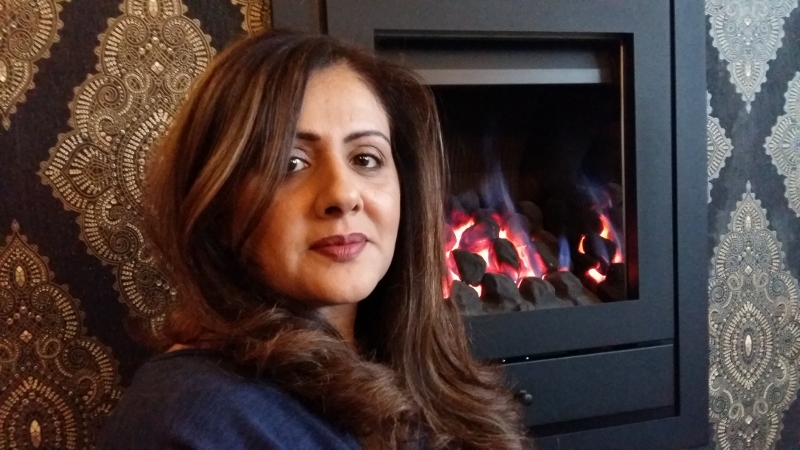

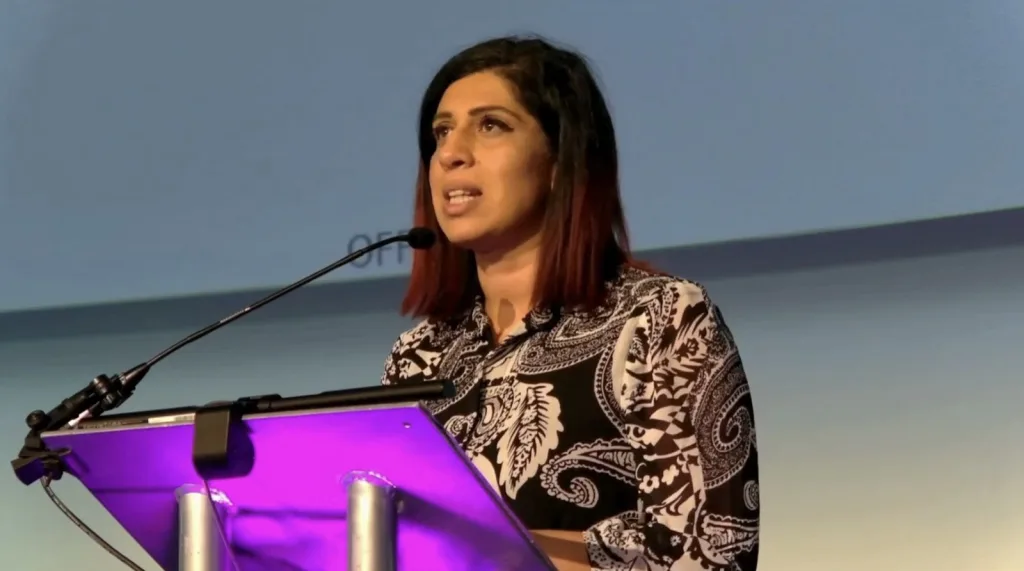
A safeguarding and abuse awareness trainer who works to protect women and vulnerable people – says a Facebook post falsely implied she was a rape victim after her image was used without consent.
Meena Kumari said she was left “confused and distressed” after discovering on Sunday, 25th April, that her professional LinkedIn profile picture had wrongly been attached to a post about the recent high-profile conviction of John Ashby – the man jailed over the rape of a Sikh woman he thought was Muslim.
She says the Facebook post wrongly implied she was the victim in the horrific faith-based rape case.
For a woman whose professional life is dedicated to protecting others from abuse, the impact for Meena was immediate – and deeply personal.
“This was not only factually incorrect – it was deeply harmful,” says Meena – the director of safeguarding and domestic abuse organisation, HOPE, which runs training and consultancy.
“Under UK law, rape survivors are entitled to lifelong anonymity.”
“The use of any image purporting to identify a victim – whether accurate or not – is not only reckless, but potentially dangerous.”
As soon as she became aware of the post, she contacted both Leicestershire Police and Facebook administrators and demanded it be removed. But despite the seriousness of the issue, she says the content remained online for hours.
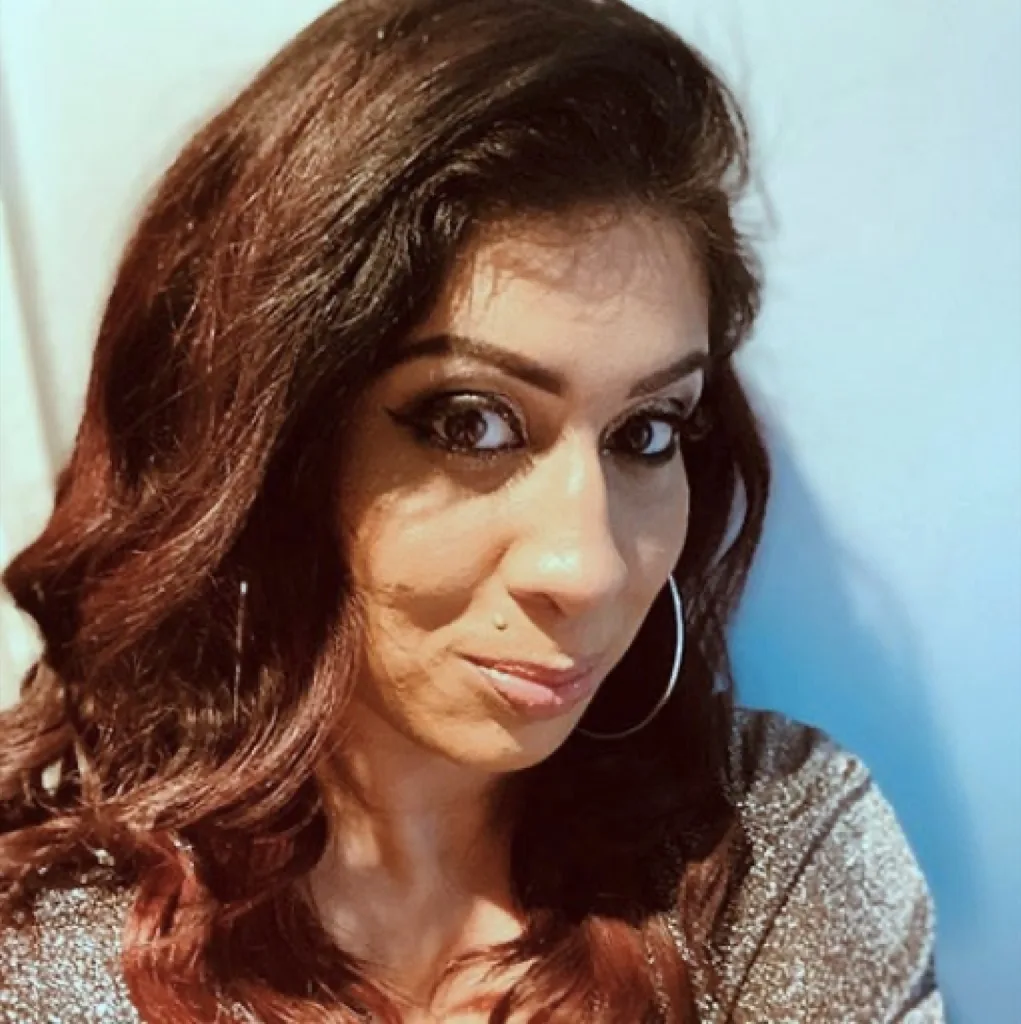
When she captured a screenshot at 8.10am, the post had already attracted 44 likes, 67 comments and seven shares. By the time it was finally removed later that afternoon, Meena says the number of comments had climbed much higher – and she believes the reach would have grown significantly further.
The fallout quickly moved offline.
Meena says between 12 and 14 people – including friends, family members and colleagues – contacted her directly after seeing the post, with many immediately raising concerns about her safety.
Shaken by the ordeal, she also sought independent safety advice from Sikh Women’s Aid, saying she turned to the organisation because of its experience in dealing with such sensitive cases and wanted reassurance from someone she trusted.
Although the post has now been removed, Meena says the harm did not end there.
“I have been left feeling very confused and distressed,” she said.
“No one should experience what I have experienced – not as the unwilling subject of a post, and certainly not as a survivor of sexual violence whose identity deserves protection.”
She highly praised Sikh Women’s Aid for acting quickly and publicly, issuing a statement reminding people that rape survivors are legally entitled to lifetime anonymity and that any attempt to identify them – directly or indirectly – is a serious matter.
Crucially, Meena has chosen not to repost the original content or share screenshots, saying that even with good intentions, doing so risks causing further harm and potentially exposing the real survivor to more distress.
Her message is clear: this was not journalism. It was clickbait – and it came at a human cost.
“Women and girls deserve to feel safe online as well as offline. When platforms fail to act fast in sensitive criminal cases, the consequences can be devastating.
“It creates a digital space where survivors can be re-traumatised, innocent women can be misidentified, and trauma can be exploited for clicks,” she said.
Meena says she has since received a response from Facebook, and that the timing of that reply will form part of wider questions around how quickly platforms act when harmful content is reported in cases involving sexual violence and anonymity protections.