
Fresh from a packed hometown launch in Bradford – and already making noise as an Amazon hot-seller as readers rush to buy it – Naz Shah’s memoir ‘Honoured’ is doing far more than drawing attention. It is forcing an uncomfortable reckoning.
This is not a safe political memoir, nor is it a polished tale of Westminster success wrapped neatly in the language of resilience.
‘Honoured’ lands as something far more unsettling: an indictment of the silences that protected abuse, of the shame too often placed on women instead of perpetrators, and of the quiet, deeply rooted power structures that have long decided whose pain is heard and whose is buried.
That is what gives this book its force.
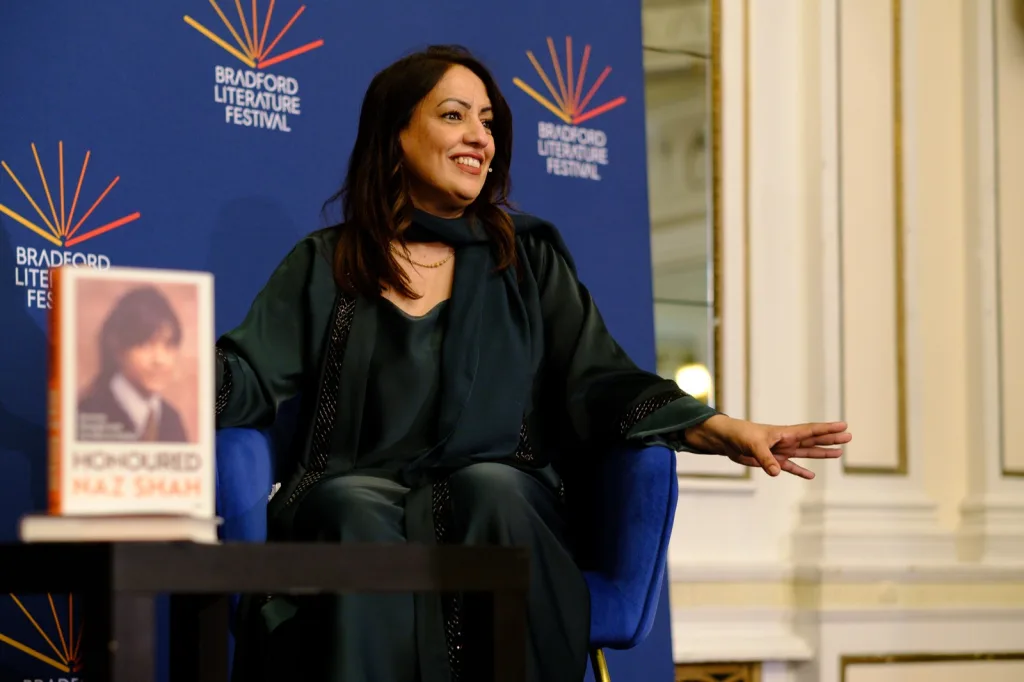
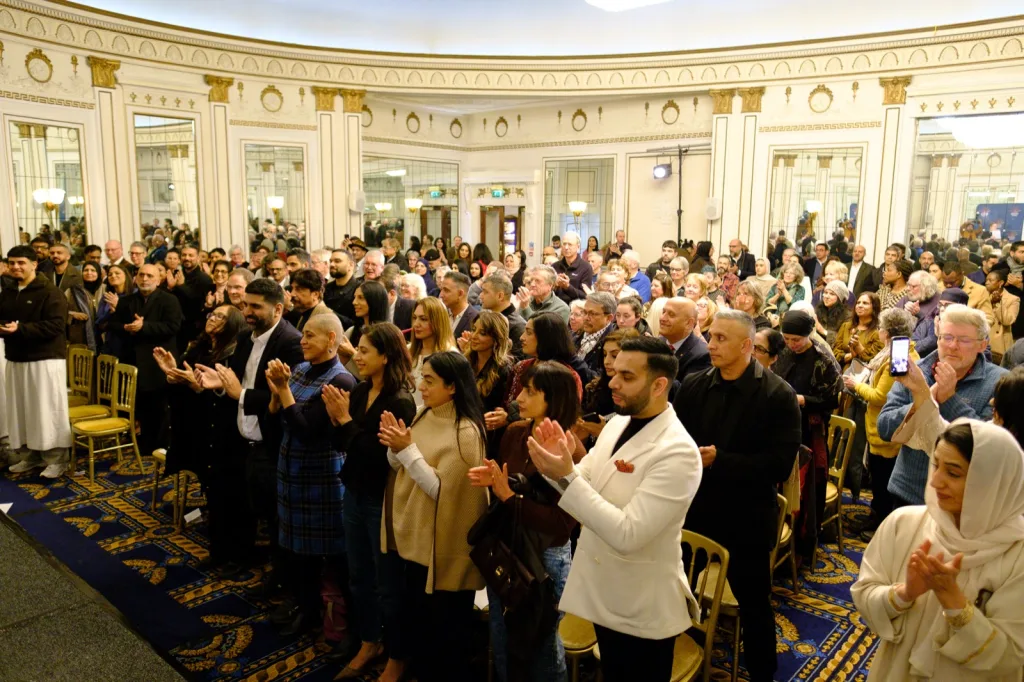
When Naz launched ‘Honoured’ on International Women’s Day, as part of a Bradford Literature Festival event, the room was full and the applause was loud. The city showed up for one of its own.
Naz Shah is not simply reclaiming her own story. She is tearing the mask off a word that has too often been used to control women while shielding others from accountability.
But this was never just a feel-good homecoming, because this book does not simply revisit Naz’s past – it confronts the systems that shaped it.
National coverage has understandably focused on the most brutal elements of Naz’s story: the violence, the forced marriage, the trauma and the extraordinary survival.
The Guardian and The Times have already highlighted the scale of what she endured.
But for Bradford – and for British South Asian readers more widely – the deeper power of this memoir lies elsewhere.
It lies in the uncomfortable question sitting at the centre of the title itself: who exactly has “honour” served all these years?
Because too often, honour has not protected women. It has protected appearances, reputations, men, and a culture of silence that asks women to endure quietly so everyone else can remain comfortable. That is the real charge at the heart of this book, and it is what makes ‘Honoured’ feel so powerful.
The result is a memoir that does not flatter the community or ask for sympathy. It confronts, exposes and demands honesty, forcing readers to ask not just what Naz survived, but why survival had to be so lonely in the first place.
One of the book’s most striking public interventions came at the Bradford launch, where Naz described the Qur’an as her “feminist handbook”.
It is a bold line, but also an important one, because it cuts through years of lazy public debate in a single phrase. Naz’s point is clear: the problem is not faith, but patriarchy dressed up as culture, authority and respectability.
For many Muslim women, that will feel less like a soundbite and more like a truth long overdue.
Naz is also careful not to frame this as a fight for women alone. She has openly acknowledged the Muslim men in her life who stood beside her, and she has thanked male allies willing to challenge misogyny. That matters, because if silence has protected power, then breaking that silence cannot be left to women alone.
Then there is Bradford itself… As Naz said at the launch: “This book is about Bradford. I’m as Bradford as they come.”
She is right. ‘Honoured’ is not just about one woman’s suffering; it is about the conditions that allowed that suffering to be hidden, the codes that kept people quiet, and the respectability politics that demanded endurance from women and discretion from everyone else.
In that sense, Bradford is not simply the backdrop. It is part of the reckoning.
That is why the standing ovation matters – but not as closure. It matters as a test of whether communities that are quick to celebrate successful women are equally willing to confront the structures that break them, and whether “community values” can still be romanticised when those values have too often meant silence, shame and survival at any cost.
That is why ‘Honoured’ matters: not because it gives readers another story of pain to admire from a safe distance, but because it strips away the excuses. And once it does that, it leaves behind one brutal question that lingers long after the applause has faded: How many women had to suffer quietly before this truth could finally be spoken aloud?