

Becoming a parent is one of life’s greatest joys but it can also bring plenty of questions.
From pregnancy to preparing your child for school, every stage of early parenthood can come with new decisions and uncertainties: I’m pregnant, what should I do first? Am I feeding my baby the right foods? Can I get financial support with childcare? How can I help prepare my child for school?
In many families in our community, parenting is very much a shared experience. Advice often comes from parents, grandparents, aunties and friends. While this support is invaluable, it can sometimes leave parents feeling overwhelmed when different people offer different guidance.
The truth is, many parents are navigating these questions every day.
That’s why the Best Start in Life website brings together information and advice from NHS and government in one place – helping families find reliable information about pregnancy, feeding, childcare and preparing their child for school.
Starting your pregnancy journey
If you’ve just found out you’re pregnant, the first step is to book your first midwife appointment. This is known as the booking appointment and should happen before you’re 10 weeks pregnant, where possible. To do this, you just need to self-refer online to your local maternity service. They will then contact you to arrange your first appointment and kickstart your pregnancy care.
If you are already more than 10 weeks pregnant and have not yet booked this appointment, it’s not too late. You can still self-refer, and your local maternity service will support you with catching up on the care you are entitled to.
Looking after yourself in pregnancy can help give your baby the best start, but it can be confusing if you get different advice from different people. Some women don’t know what to expect at their appointments and this can make them feel worried, too.
The Best Start in Life website offers week-by-week guidance on how to have a healthy pregnancy, including diet, exercise and what to expect at appointments. You can also sign up for free weekly emails for tailored advice throughout your pregnancy and up to your child’s 4th year. Plus, the emails are also available in different languages.
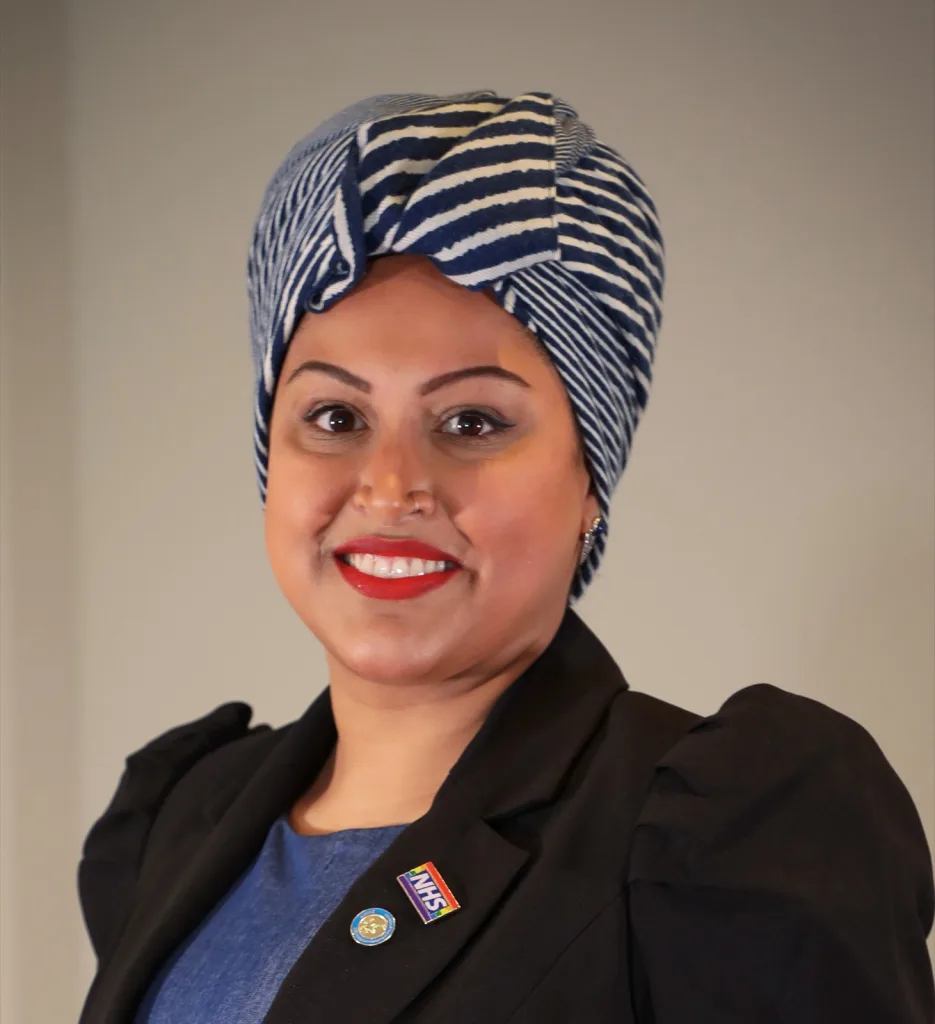
Benash Nazmeen, UK midwife and Assistant Professor of Midwifery explains: “The information on the Best Start in Life website can help women prepare for appointments, know what to expect and feel more confident raising questions.
“The NHS is there to support you every step of the way. Because giving your baby the best start in life means feeling informed, confident, and able to make decisions that are right for you and your baby.”
Weaning your baby
Introducing babies to solid foods as they grow can feel like a huge step and it’s perfectly normal for parents to have lots of questions about how and when to start weaning and what foods are suitable.
The NHS recommends waiting until your baby is around 6 months old before you start introducing them to solid food, alongside their usual breastmilk or formula. Weaning is all about introducing your baby to a varied diet and getting them used to different textures and tastes – so it’s perfectly OK if it takes several tries.
Many family meals can be adapted for babies by mashing or softening them- just make sure there is no added salt or sugar. However, there are a few foods babies should avoid, such as honey before the age of one.
For guidance on what foods to start with, what foods to avoid and weaning recipe inspiration, visit the Best Start in Life weaning Hub.
Benash adds: “Weaning is about helping babies get used to a range of foods, textures and tastes from around six-months. Families can use the flavours they already cook with, adapting meals so they are softer and milder to start with, and gradually increasing flavour as babies become more used to them. Just make sure there is no added salt or sugar in their meals.”
Early years education and childcare
Formal childcare can help children to build confidence, communication skills and friendships. It also offers parents greater flexibility to work or make time for other important activities. Depending on their child’s age, parents may be eligible for up to 30 hours of government funded childcare each week for 38 weeks of the year. This can save a family an average of £8000 in childcare costs. To find out what you may be entitled to and how to apply, visit Best Start in Life.

Early year’s childhood education expert, Rachna Joshi said: “It’s really great to see the impact of the funded childcare available to families. I have seen children develop their language, social, emotional and play skills which are vital to learning. Nurseries, and childminders have inclusion at the heart of their practice, this means they are carefully thinking about how they respect and celebrate a wide range of cultures and religions, to help you and your child have a sense of belonging to the setting.”
There are so many things that you can do that help your child to learn. Many schools recognise the role that the family plays in being the child’s first teacher. The Best Start in Life Hub is the place to go for information about the simple everyday activities that you can do at home that will help.
Rachna adds: “Starting school is an exciting point in a child’s life. Families can help by playing with their child, speaking to children about what they like and sharing songs and stories together. All these activities help children’s language and communication skills. Songs and stories are a great way to develop early literacy skills but it also develops your bond with your child too.
“There are so many everyday activities that you already do that can link to what they will be doing when they start school, such as sitting together during mealtimes, becoming independent when using the toilet, putting their coat and shoes on to go outside”
Advice, all in one place
Parenting comes with plenty of questions and that’s completely normal. Because when you’re a parent, every question is a good one. Find out more at beststartinlife.gov.uk