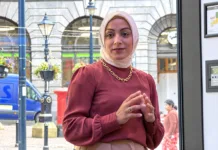

After losing their beloved son Eashan Madan, 27, his family found comfort in one extraordinary truth: his final act of kindness saved three lives – and now they hope his story will inspire more families to say yes to organ donation.
A Sheffield family are sharing the extraordinary story of their son’s final act of kindness – a decision that saved three lives and is now inspiring an urgent call for more families, particularly from ethnic minority communities, to talk openly about organ donation.
For Eashan Madan, helping others was never something he switched on for special occasions. It was simply who he was.
So when the 27-year-old, who had Down’s syndrome, died last summer following complications during surgery for a rare heart condition, his family say the fact he went on to save lives through organ donation felt heartbreakingly fitting.
Eashan had made the decision to join the NHS Organ Donor Register in 2018.
Following his death, he donated both kidneys and his liver, giving three people on the transplant waiting list a second chance at life. His pancreas was also donated for research, a further gift that could help many more in years to come.
To those who knew him best, it was a final act that captured everything about the young man they adored.
“Knowing Eashan and his personality, he would do anything to help others. It was his final noble act,” said his mother, Suvira, a trauma consultant.
“He was our teacher in every respect. He showed us how to live happily, help others, and see the beauty in everything. Even in death, he found a way to give.”
A life that challenged every assumption
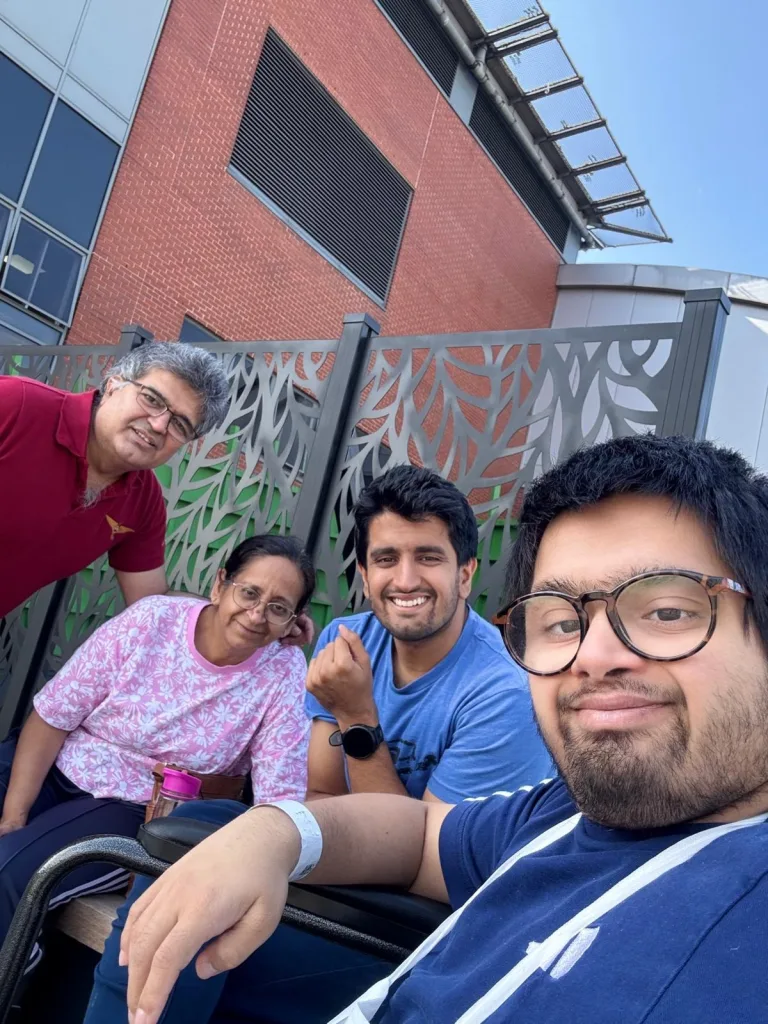
For his family – mum Suvira, dad Sanjeev, an orthopaedic surgeon, and younger brother Rishin – Eashan’s legacy is not only one of immense love, but of purpose.
They now hope his story will help challenge lingering misconceptions around disability, organ donation and who is seen as capable of making a lasting impact.
Far too often, families still wrongly assume that having Down’s syndrome may limit a person’s independence, their contribution to society or even their ability to become an organ donor. Eashan’s life powerfully dismantles every one of those assumptions.
“Adults with Down’s syndrome can lead independent lives and contribute meaningfully to society. Eashan showed that,” said his father Sanjeev.
“We also want people to understand that they can give life to others.”
And Eashan lived fully.
He attended Talbot Specialist School, where he was twice elected to the student council and took part in the National Shakespeare Festival. He achieved his Silver Duke of Edinburgh Award and a National Citizen Award, before going on to gain qualifications in Maths, English and Catering at Sheffield City College.
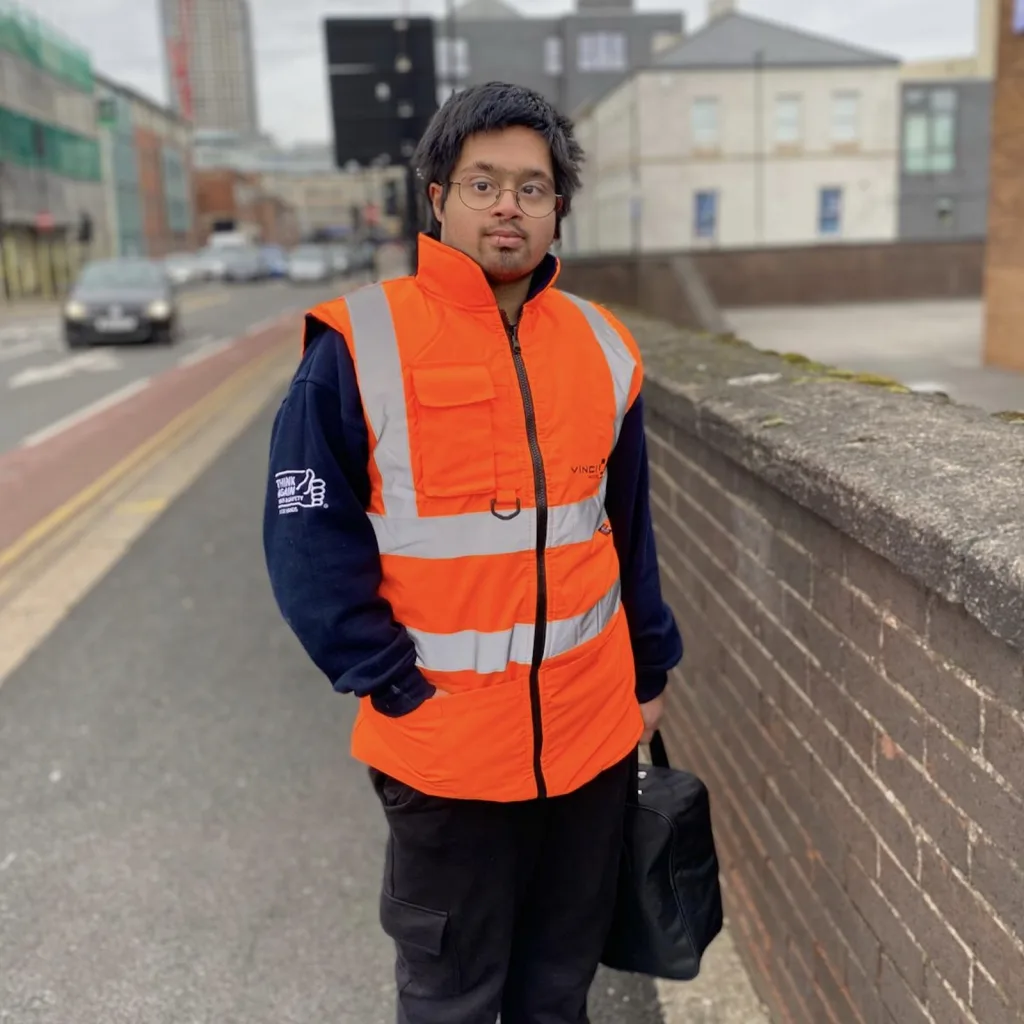
Through Project Choice, he completed an NHS internship. Later, with support from the Down’s Syndrome Association’s WorkFit programme, he worked at Sheffield Railway Station and the Carriage House Café in Chatsworth. During the Covid pandemic, he also volunteered at a local foodbank – another quiet example of the generosity that ran through his life.
He was organised, independent and deeply proud of his work.
But Eashan was far more than a list of achievements.
He was a talented musician, artist and DJ. He loved music, art, parties and being surrounded by friends. He performed with his Clubland Detectives band, learned to create animated films at Flycheese Studio, made art with Artworks, and DJed at Leadmill Sheffield with support from the Under the Stars team.
Those close to him remember his cheeky smile, his warmth and the way he made people feel instantly seen.
A legacy that now speaks to others
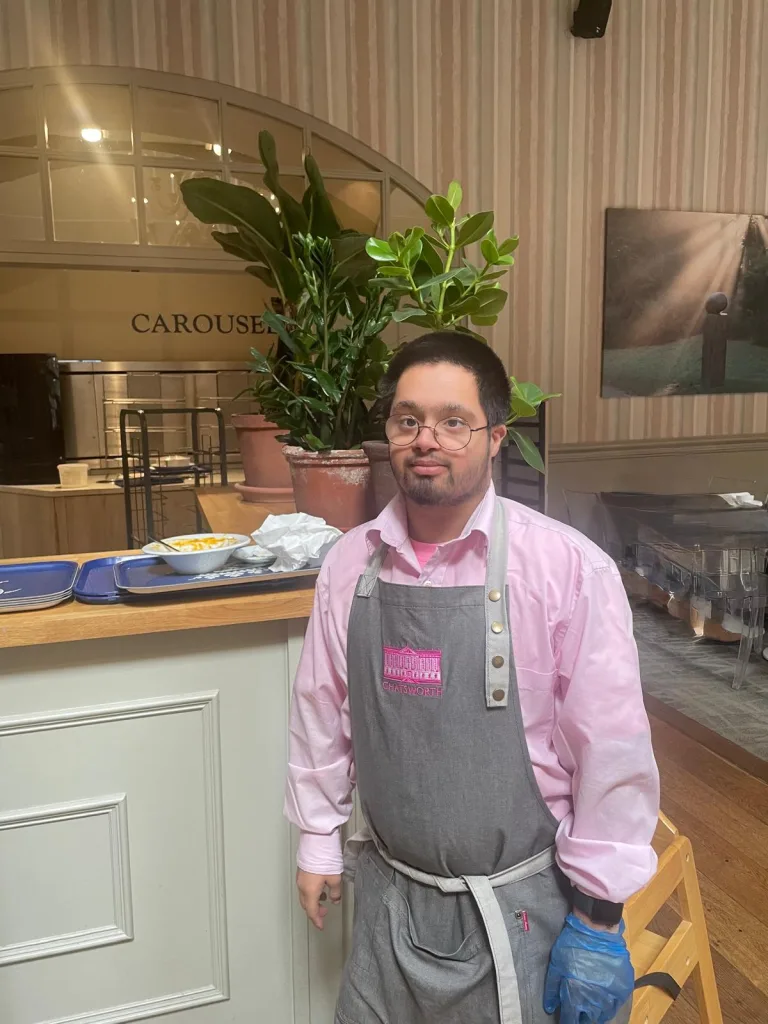
His younger brother, Rishin, said: “Even though that day was the hardest, every day after is easier knowing he helped others. Eashan’s life was guided by honesty, kindness and compassion. He dedicated himself to helping others – at school, at work and among his friends.
“He had no meanness, no selfishness, no jealousy – only goodness. He was a brother to all. Once seen, never forgotten.”
Now, his family are also using Eashan’s story to highlight the need for more organ donors from ethnic minority backgrounds.
Across the UK, more than 8,200 people are currently waiting for a lifesaving transplant, including over 2,000 people from ethnic minority communities. Yet last year, Eashan was one of just 80 people from ethnic minority backgrounds who donated organs after death.
For many patients, matching by ethnicity can improve transplant outcomes – making those conversations within South Asian, Black and other minority communities even more important.
Anthony Clarkson, Director of Organ Donation and Transplantation at NHS Blood and Transplant, said it is stories like Eashan’s that show the life-changing power of one decision.
And for his family, that is what remains strongest through the grief: the knowledge that in their darkest moment, Eashan still gave others hope.
“Even after death,” said Suvira, “he continues to help mankind and save lives through organ donation. Eashan is our hero.”