
EXCLUSIVE LOOK
By: Tom England, UK Rugby Content Coordinator
British South Asians are everywhere in modern Britain – but still barely visible in rugby. So why has the sport failed to keep up?
Rugby loves to talk about inclusion. About values. About belonging. But for Britain’s South Asian communities, the reality has long looked very different.
Despite making up one of the UK’s largest and most visible demographics, British Asians remain strikingly underrepresented across rugby union – from grassroots participation right through to the professional game.
In a sport that claims to reflect teamwork, community and opportunity, that absence is glaring. And it is no longer something the game can ignore.
The numbers may be hard to pin down – reliable data on South Asian participation in rugby remains frustratingly thin – but the picture is clear enough. Very few British South Asian players have broken through in rugby union, and even fewer have reached the elite level.
The pioneers
One of the rare exceptions is Tajiv “Tosh” Masson, of Indian heritage, who made 45 appearances for Harlequins in the late 2000s, including in the European Rugby Champions Cup – still a notable breakthrough in a sport where South Asian representation remains painfully scarce.
And he is far from the only trailblazer whose story exposes the scale of the gap.
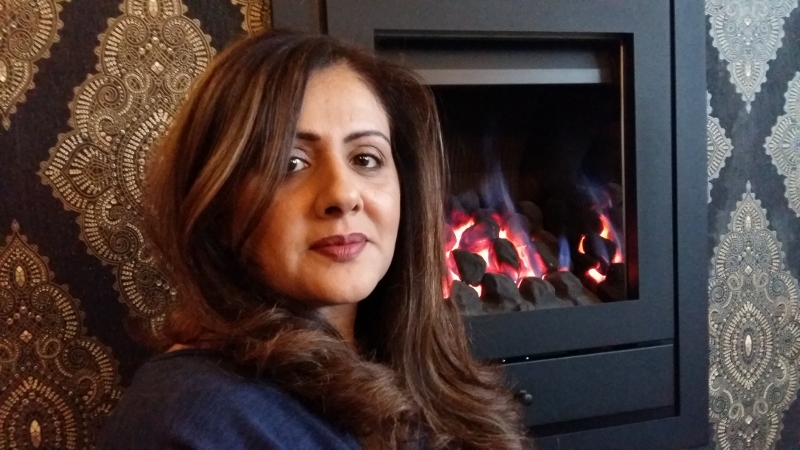
Manjinder Nagra, the first Sikh woman selected for England, has spoken openly about the isolation of being the only Asian woman on her team for much of her career – an experience that later led her to found British Asian Women in Rugby.
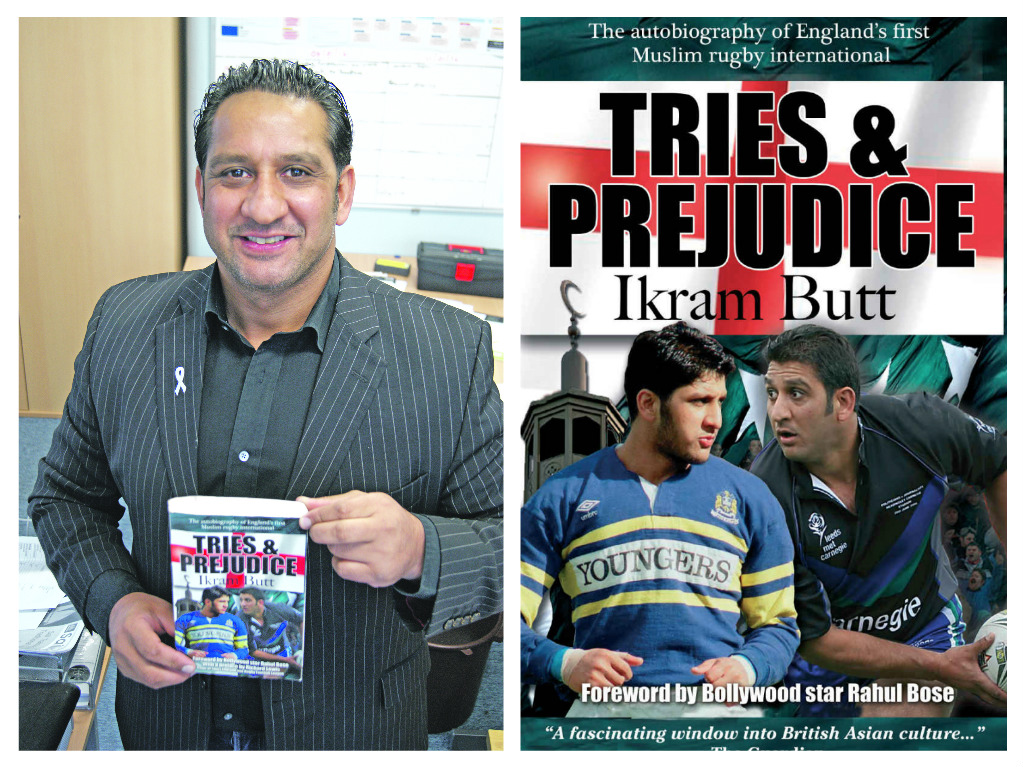
Then there is Dr Ikram Butt – the first Muslim to represent England in either code back in 1995. That should have been the beginning of real change. Instead, more than 30 years on, it still stands as a reminder of just how slowly rugby has moved.
So why has the sport struggled?
Part of it is cultural. In many British Asian households, football and cricket have long dominated the sporting conversation. Rugby simply never built the same emotional or generational connection.
But culture is only part of the story.
For many families, rugby clubs can still feel like inherited spaces – shaped by tradition, class and familiarity – rather than environments built to welcome newcomers. If you didn’t grow up around the sport, it can feel like a closed world.
Add the cost of kit, travel and club membership, and the barriers become even steeper.
That is why the organisations doing the real work matter.
Breaking down barriers
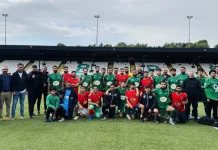
The British Asian Rugby Association, founded by Dr Butt more than two decades ago, has been one of the strongest and most consistent forces for change across both codes. Through youth programmes, community outreach and long-term engagement, it has spent years taking rugby into communities the sport too often failed to reach.
And while the institutions have often been slow, momentum is building.
The RFU’s Rugby United programme and Premiership Rugby’s Project Rugby have brought some official backing to the inclusion drive.
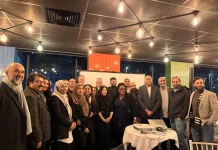
More recently, the British Asian Rugby Awards delivered a long-overdue moment of recognition – shining a spotlight on the players, coaches, volunteers and pioneers pushing the sport forward.
But celebration is not the same as transformation.
Because until British South Asian children can look at rugby and see themselves – not as exceptions, but as part of the game’s natural future – the sport’s inclusion message will ring hollow.
This is bigger than optics. Bigger than a campaign. Bigger than a one-off diversity push. It is about whether rugby is genuinely willing to look like modern Britain.
Rugby union speaks loudly about inclusion and belonging, and sustained investment in grassroots access and culturally informed outreach. But visible representation will determine whether those values translate into genuine, lasting change for South Asian communities across the country.