
For generations, many South Asian women have lived with a quiet but deeply painful reality: the belief that lighter skin is somehow more beautiful, more desirable, and more worthy of respect.
While the world is increasingly speaking out against racism, a different form of discrimination continues to thrive inside our own homes – colourism.
This is not just a beauty preference. It is a cultural problem that damages confidence, opportunities, and mental health for countless women.
In many South Asian families, the comments begin early. A girl playing in the sun is warned, “Don’t get too dark.” A relative at a wedding says, “She would be so pretty if she were fairer.” These remarks are often dismissed as harmless or even loving advice. In reality, they are messages that tell young girls their natural skin tone is a flaw.
Imagine hearing that message again and again while growing up.
For darker-skinned girls, the comparison with lighter cousins or siblings becomes a routine part of family life. Compliments are unevenly distributed. Marriage discussions quietly favour “fair” daughters. Even today, some matrimonial ads still include the word “fair” as if it were a qualification.
We need to be honest about what this means: it is discrimination.
The problem does not stop at home. Many South Asian women say the bias follows them into workplaces and professional environments. Appearance standards shaped by media stereotypes still favour lighter skin. Darker-skinned women often feel they must work harder to be taken seriously or seen as equally professional.
This is especially painful because the prejudice comes from within the community itself.
Part of the responsibility lies with decades of media messaging. South Asian films, television shows, and advertising have repeatedly promoted the idea that success and romance belong to those with lighter complexions. For years, fairness creams were sold with promises that lighter skin would bring confidence, love, and career success.
Although many of these products are now facing criticism, the mindset they created has not disappeared overnight.
But the most important place where change must happen is not television screens or social media – it is in our living rooms and family gatherings.
Parents, aunties, uncles, and grandparents must ask themselves a difficult question: what are we teaching our daughters?
When we compliment only fairness, we teach girls that beauty has a single shade. When we joke about someone being “too dark,” we reinforce insecurity that may stay with them for a lifetime. When we prioritise complexion in marriage conversations, we reduce women to outdated beauty standards.
This cycle will continue unless the community decides to confront it openly.
Younger generations are beginning to challenge these ideas. Many South Asian women are proudly embracing their natural skin tones and speaking publicly about colourism. Social media has given them a platform to reject the notion that beauty must look a certain way.
But individual courage alone cannot fix a cultural problem.
True change will happen when families stop making complexion a topic of conversation altogether. When parents teach children that intelligence, kindness, resilience, and character matter far more than appearance. When community elders recognise that the words they use can shape a young girl’s self-worth.
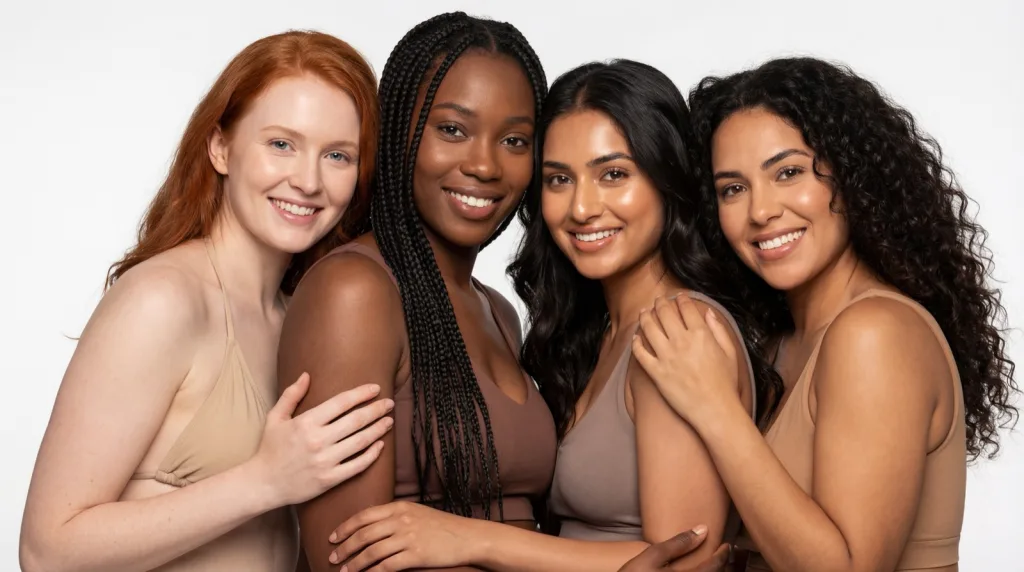
South Asia is home to an extraordinary range of skin tones, from the lightest to the deepest brown. That diversity should be a source of pride, not prejudice.
The question we must ask ourselves is simple: in a world already filled with discrimination, why are we still creating more of it within our own communities?
Until South Asian families reject colourism completely, many women will continue to carry an invisible burden. And that is something we can, and must change.
📅 Free Counselling Appointments – Every Wednesday 📞 Call 01274 307040 to book your session 📍 Prity Beauty & Aesthetic, 4 Central Place, Clayton, Bradford, BD14 6AZ