
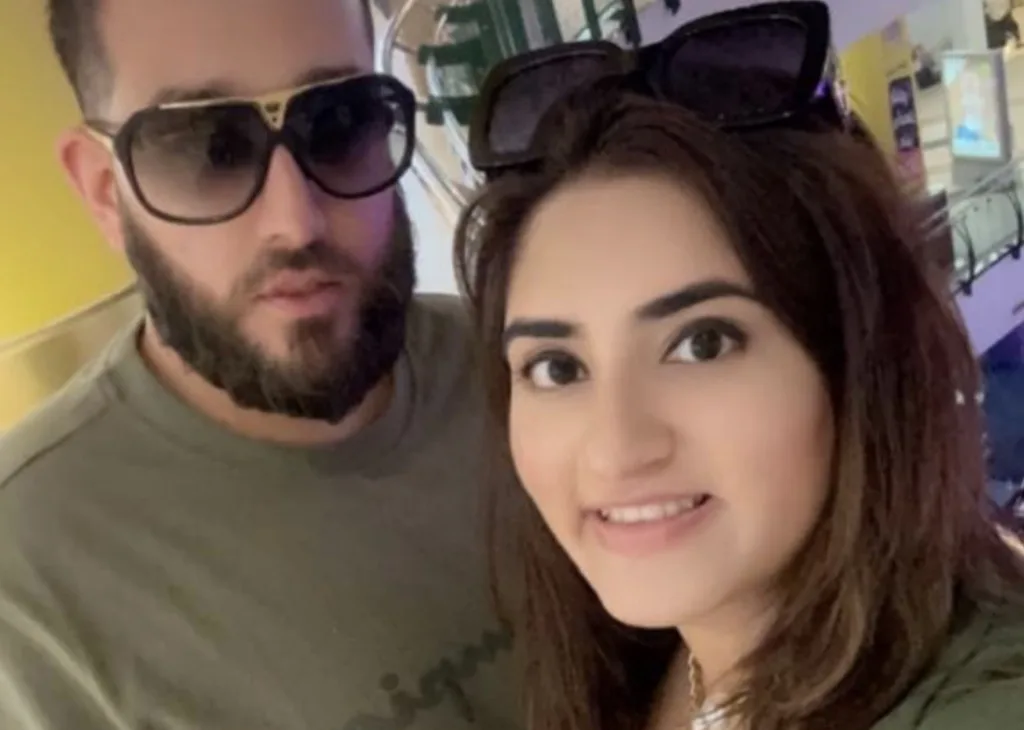
A mum is campaigning for improved maternity care after suffering a life-changing birth injury that went undetected – and was only diagnosed two years later.
Zara Ishfaq, a 31-year-old accountant suffered the serious perineal tear while giving birth to her first child at Whipps Cross Hospital in East London.
But despite repeatedly seeking medical help in the days and months that followed, the severity of her injury went unrecognised.
Today, despite undergoing repair surgery, she continues to live with serious bowel complications and has a stoma, where an opening in her abdomen allows waste to pass into a bag.
Studies found women of South Asian heritage are at up to six times greater risk than white women to suffer a serious tear during their first natural birth
Now Zara, is sharing her story in the hope that other women – particularly those from South Asian backgrounds – do not have to endure the same experience.
Research suggests women of Asian heritage can face a significantly greater risk of serious childbirth tears, yet Zara believes too many women still struggle to have their concerns heard.
A traumatic three-day labour
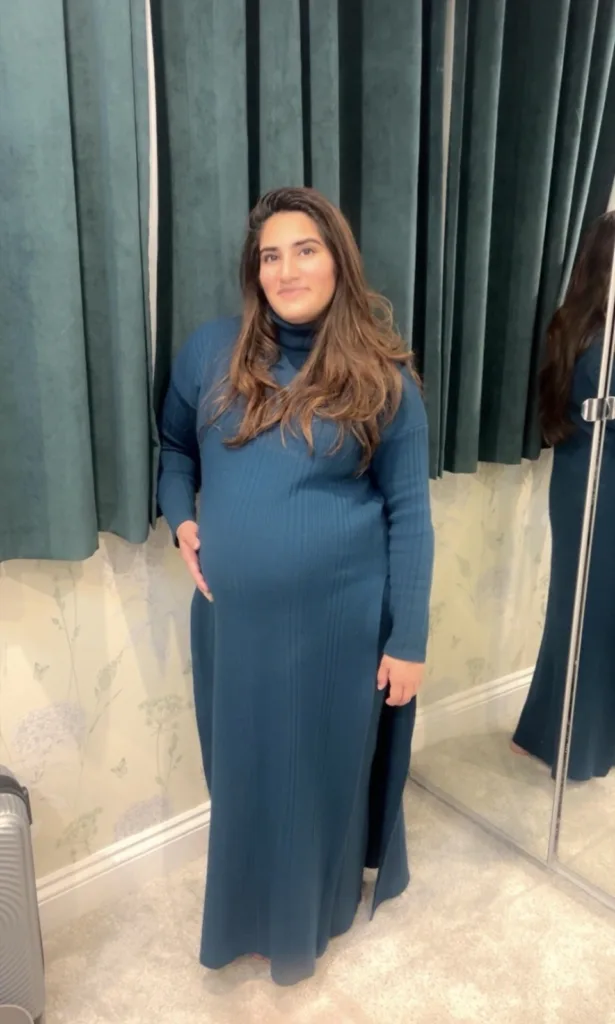
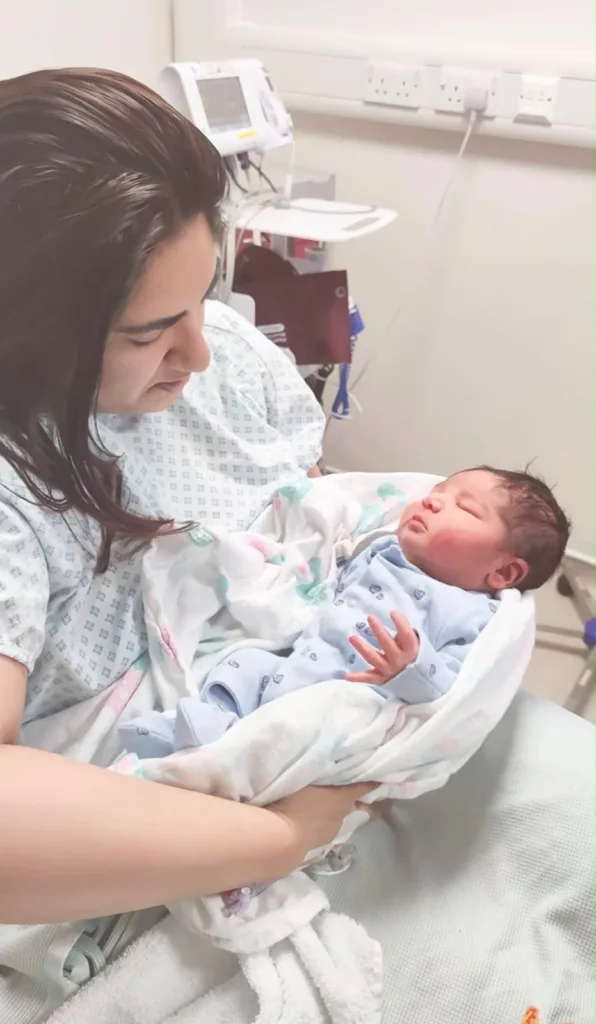
As a first-time mum, Zara gave birth to her son Aariz on 21 December 2021 following a prolonged labour lasting three days.
During the delivery, Aariz’s head became stuck and forceps were used. Zara also underwent an episiotomy.
Her son, who weighed 7lb 7oz, was not injured.
Zara, however, suffered a serious bleed after delivery, losing around two litres of blood. “The only way to describe my prolonged labour was traumatic,” she said.
“Even as a first-time mum I felt something wasn’t right. It was terrifying when Aariz’s head became stuck and I was just hoping he would be okay.”
She was discharged from hospital two days later. But within days, Zara was seeking medical help.
On Boxing Day, she attended a post-natal appointment reporting pain, swelling and a suspected infection. Two days later, she sought further help after her pain increased and she developed a fever, alongside concerns about how her wound was healing.
Despite those concerns, Zara said she was reassured following another post-natal check in January 2022 that her condition appeared to be improving.
Her problems did not go away.
Nobody seemed to think there was anything to worry about
Over the following months, Zara began experiencing changes to her bowel habits.
By June 2022, she was reporting more frequent and loose bowel movements as well as leakage. She was advised to carry out pelvic floor exercises.
Six months later, she was still experiencing symptoms and told clinicians she needed to wear an incontinence pad.
“In the days after giving birth I didn’t feel right,” Zara said. “I was in pain and developed a fever.
“But each time I sought medical advice I was given the impression that nobody seemed to think there was anything to worry about.
“That started what felt like a constant back and forth trying to get to the root of my issues.”
The impact extended far beyond her physical health.
“While my friends were meeting in the park and attending baby groups, I was barely able to leave the house,” she said.
More than two years waiting for answers
Zara was eventually referred for specialist assessment and was seen in July 2023.
Further investigations followed.
In May 2024, more than two years after Aariz was born, she received confirmation that the severity of the perineal tear she suffered during childbirth had been underestimated.
She was told she would require major surgery to try to repair the damage.
“In some ways I was pleased to finally get a diagnosis,” Zara said. “It felt like a vindication that what I’d been through was genuine. I started to get a sense of understanding as to why my symptoms were so severe and debilitating.”
Zara underwent repair surgery in May 2025, but continues to experience bowel problems and now lives with a stoma.
She instructed medical negligence lawyers at Irwin Mitchell to investigate her care and help secure access to specialist treatment, therapy and rehabilitation.
Barts Health NHS Trust, which runs Whipps Cross Hospital, has admitted a breach of duty in relation to Zara’s care.
Following legal submissions, the Trust admitted Zara suffered a tear during delivery and that its severity had been underestimated.
It also accepted that, had the injury been detected earlier, it would have been repaired sooner and, on the balance of probabilities, the serious complications Zara subsequently experienced would have been avoided.
What should have been a joyous time ended in years of pain
Madeleine Nugent, the medical negligence lawyer at Irwin Mitchell representing Zara, said her experience demonstrated how devastating an unrecognised birth injury could become.
“Zara’s traumatic experience not only highlights how serious birth injuries can go unrecognised but the devastating impact they have,” she said.
“What should have been such a joyous time for Zara welcoming her child into the world ended up in years of worsening pain and complications, many of which we feel could have been avoided.”
She added that Zara had been left trying to navigate a complex medical system while searching for both a diagnosis and answers.
Lawyers are now working towards a settlement intended to provide Zara with access to the specialist support she requires.
“It’s vital that lessons are learned to improve maternity safety for other mums,” Ms Nugent said.
South Asian women face greater risk
Zara has since begun researching birth trauma and obstetric anal sphincter injuries, known as OASI.
These are serious tears occurring during vaginal childbirth that extend into the muscles controlling the anus.
Research cited by birth injury charity The MASIC Foundation suggests around one in 20 first-time mothers experiences an OASI during childbirth.
Other studies have found women of Asian heritage may be at up to six times greater risk of suffering an OASI during their first vaginal delivery compared with white women.
For Zara, those figures raise important questions about awareness, communication and the maternity care offered to women from different ethnic backgrounds.
She wants women to feel able to ask questions about their individual risks and delivery options – and, crucially, to feel that concerns about their bodies are taken seriously.
It’s not just the physical injuries
Zara has since welcomed a second child, daughter Elayna, now one. But the injuries from her first birth affected her second pregnancy too.
She suffered hyperemesis, or severe pregnancy sickness, alongside complications related to her existing injuries. She experienced infections and, at one stage, developed sepsis.
“After giving birth I went from a strong, independent and resilient woman to someone reliant on others,” Zara said.
She said learning more about childbirth injuries afterwards left her questioning whether different discussions around delivery options could have changed what happened.
“I wasn’t offered a caesarean but knowing what I know now, if I’d have been offered one, I definitely would have chosen that delivery method,” she said.
Despite everything she has endured, Zara describes herself as blessed to have her two children.
But she believes the impact of birth trauma – particularly its psychological consequences – needs to be discussed much more openly.
“It’s not just the physical injuries that affect you, it’s the psychological toll of having a reduced quality of life,” she said.
“Too many women are suffering unnecessarily and more needs to be done to improve maternity care but also break the taboo around birth injuries to mums.”
Her campaign is now about turning an intensely personal experience into something that might protect another mother.
“My story isn’t just about what happened to me,” Zara said.
“It’s about trying to make sure it doesn’t happen to the next woman and empowering mums to know their bodies and make sure they’re involved in their maternity care.”