
For decades, Leeds Road has been one of Bradford’s busiest commercial corridors. Home to some of Yorkshire’s most recognisable South Asian businesses, it has generated millions of pounds for the local economy while feeding generations of families across the region.
Yet despite its commercial success, the area has rarely been recognised as the economic powerhouse it truly is.
Now one businessman is determined to change that.
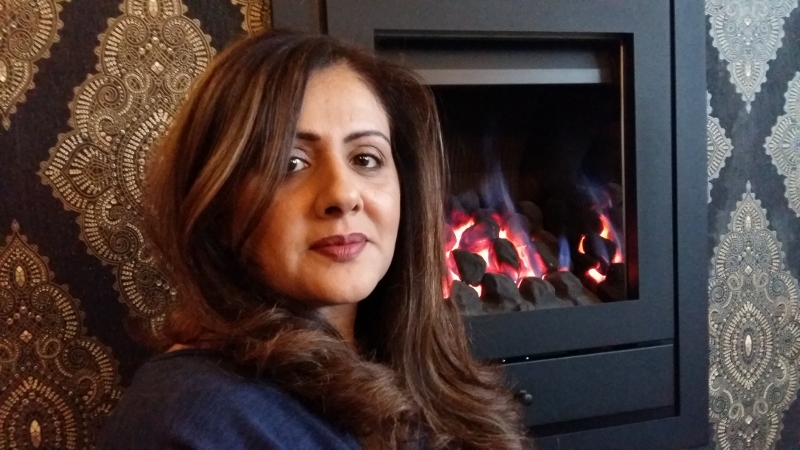
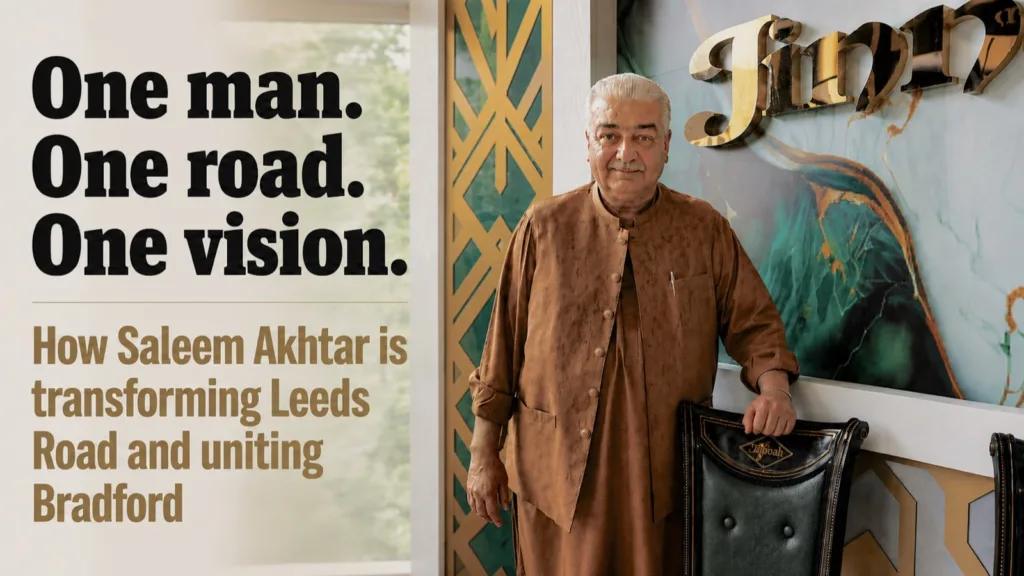
Owner of Jiinah Restaurants, Saleem Akhtar – an entrepreneur, restaurateur and co-founder of the Leeds Road Festival, is leading what many are calling one of Bradford’s most significant grassroots business movements in recent years.
His ambition stretches far beyond staging a two-day festival. It is about creating a lasting legacy by uniting businesses, strengthening civic partnerships and repositioning Leeds Road as one of the city’s flagship destinations for culture, commerce and community.
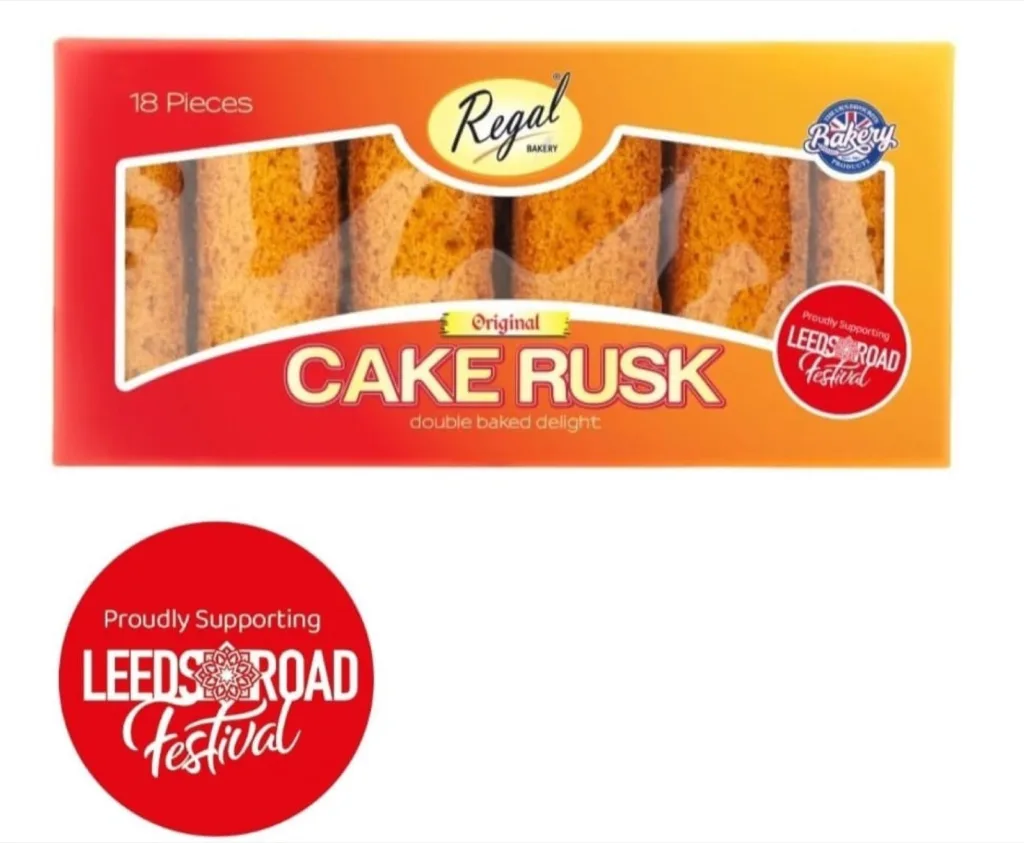
This vision has already attracted backing from Bradford Council, the West Yorkshire Combined Authority, local MPs and dozens of businesses that have chosen to invest in something bigger than themselves.
Bradford is home to around 16,600 businesses, supporting approximately 198,000 jobs in a local economy worth more than £13 billion
More importantly, it is bringing together people who have rarely sat around the same table.
“The business community and the community itself – we’ve brought everybody together,” says Saleem. “That’s what this has always been about.”
That simple statement may prove to be the festival’s greatest achievement.
From competition to collaboration
In most retail districts, neighbouring businesses compete. On Leeds Road, they are collaborating.
Some of the area’s biggest names — including Jinnah Restaurants, Akbar’s, Aagrah, Heera Foods, Al Halal Worldwide and many more – have backed the initiative, recognising that a stronger Leeds Road benefits everyone.
Instead of asking what is good for one business, Saleem has persuaded them to consider what is good for the entire destination.
The shift in mindset is significant.
Bradford is home to around 16,600 businesses, supporting approximately 198,000 jobs in a local economy worth more than £13 billion. It is also one of Britain’s youngest and most diverse cities, with 165 languages spoken in its schools and a population over 560,000.
Like many British cities, independent retail areas face growing pressure from online shopping, rising costs and changing consumer habits.
A festival with a bigger purpose
Last year’s inaugural Leeds Road Festival was supported through Bradford’s UK City of Culture programme alongside significant investment from local businesses.
This year, Bradford Council has provided support, but most funding has again come from businesses determined to invest in their community.
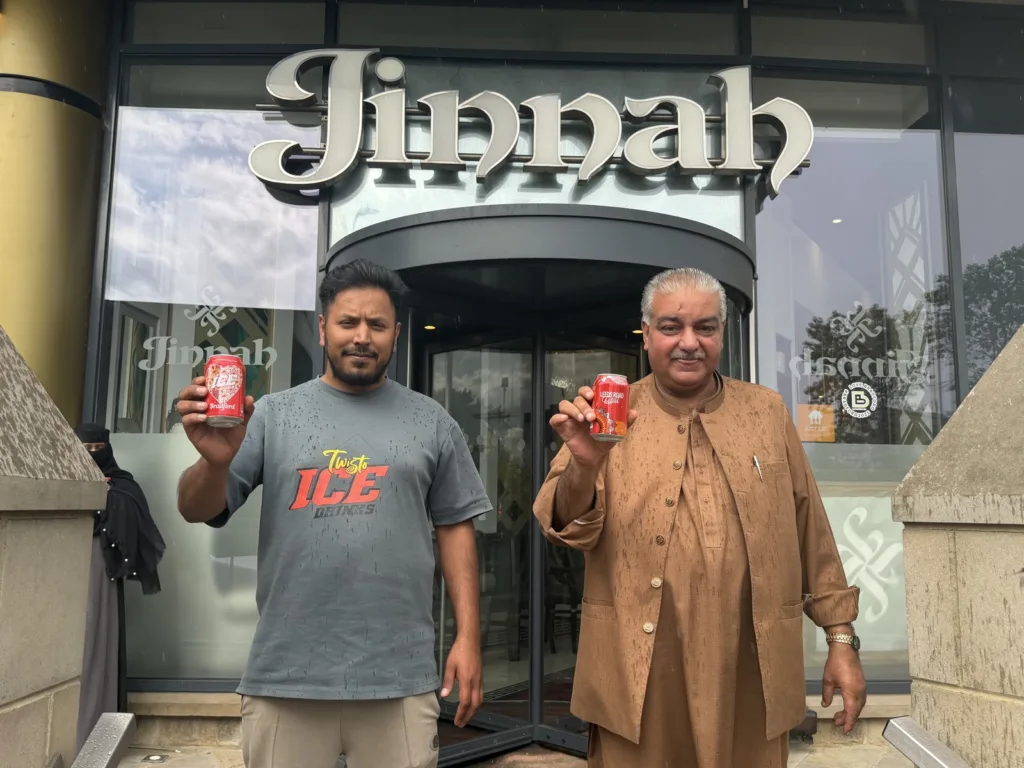
While many events rely almost entirely on public funding, Leeds Road Festival has shown that when businesses believe in a shared vision, they are willing to invest their own money.
Saleem is quick to point out that the festival has never been about personal gain.
“Not a single penny is for me. Everything goes back into the festival and the community. That’s how it should be.”
The most important announcement is not this year’s festival. It is what comes next.
“If my broader vision succeeds, the lesson will extend far beyond one festival.” Saleem Akhtar
Saleem is now establishing a Leeds Road Business Forum that will eventually operate as a Community Interest Company (CIC), giving businesses a permanent collective voice.
Members will contribute annual fees that stay within the organisation to support projects benefiting the area. Discussions are already underway about securing additional public-sector investment.
Instead of businesses working independently, Leeds Road could soon have one organisation representing hundreds of employers, retailers and entrepreneurs.
It is the kind of place-based leadership increasingly encouraged across Britain.
The City of Culture effect
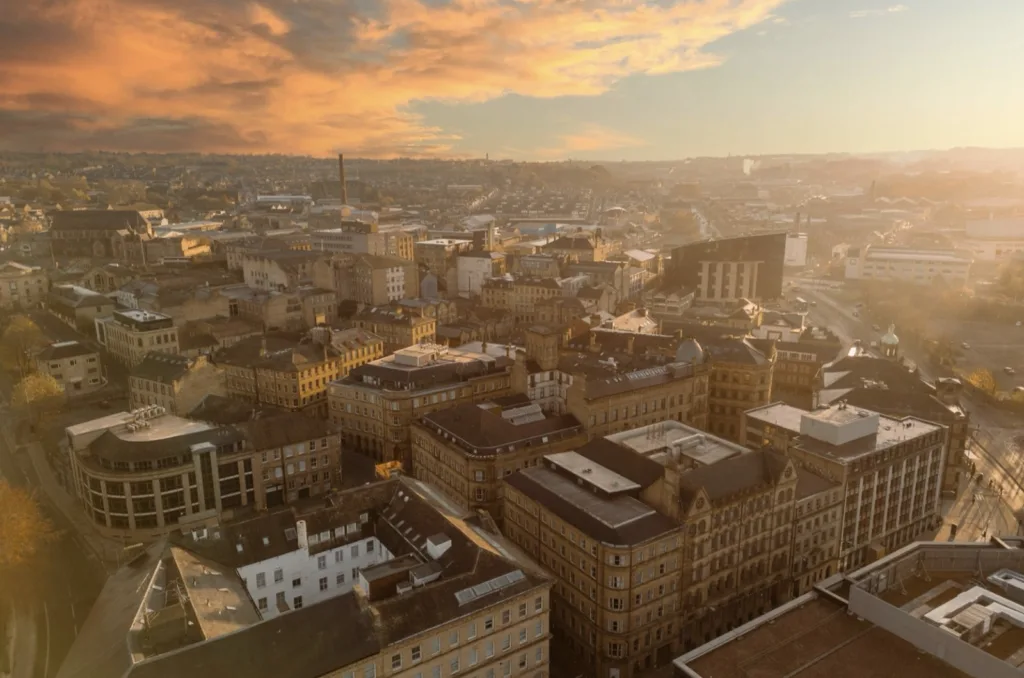
Bradford’s year as UK City of Culture showed what is possible when public bodies, businesses and communities work together.
The programme attracted major government backing alongside investment from Bradford Council, the West Yorkshire Combined Authority, Arts Council England and the National Lottery Heritage Fund. It helped generate an estimated £389 million in long-term economic growth, support almost 6,850 jobs by 2030 and create millions of additional visits to the district.
Interim evaluations have already shown stronger hotel occupancy, increased visitor spending and worldwide media exposure during the City of Culture year.
Leeds Road is now attempting to harness that momentum.
The festival is no longer simply an event. It is becoming part of Bradford’s wider economic story.
Last year’s festival attracted around 25,000 visitors. Organisers now believe attendance could exceed 50,000 across the weekend.
For local restaurants, retailers, cafés and independent businesses, which represents more than footfall. It means customers discovering businesses they may never have visited before. It means families returning long after the stages have disappeared. It means changing perceptions.
Changing Bradford’s narrative
Bradford has often found itself defined by headlines written elsewhere.
Crime.
Poverty.
Division.
Yet anyone who walks along Leeds Road sees another Bradford entirely – ambitious entrepreneurs, thriving family businesses, packed restaurants, and communities that continue to invest despite economic uncertainty.
Saleem believes the city’s greatest strength has always been its people.
His ambition is simply to bring them together. He adds: “If my broader vision succeeds, the lesson will extend far beyond one festival.
“It will demonstrate that regeneration does not always begin with cranes, government strategies or multimillion-pound developments. Sometimes it begins when local businesses decide they are stronger together than apart.”