
In the art world, talent has never been the problem. Access has.
For years, women artists have created bold, original and culturally important work – yet many still remain underrepresented in galleries, collections and major exhibitions.
London’s art market is one of the most international in the world. Artists from the Middle East, South Asia and across the global diaspora increasingly live and work in the city.
Only five per cent of London galleries achieve gender parity. The Tate’s own published research, and the Freelands Foundation’s Representation of Female Artists in Britain report, found that 78 per cent of London’s major commercial galleries represent more men than women, with female artists and their estates making up just 32 per cent of artists represented.
However, breaking into established gallery systems often requires visibility, contacts and confidence navigating an industry built on relationships as much as artistic ability.
The issue is widely recognised. The change, far less so. That is why Women in Art Fair, returning to London on 9th and 10th May 2026, matters.
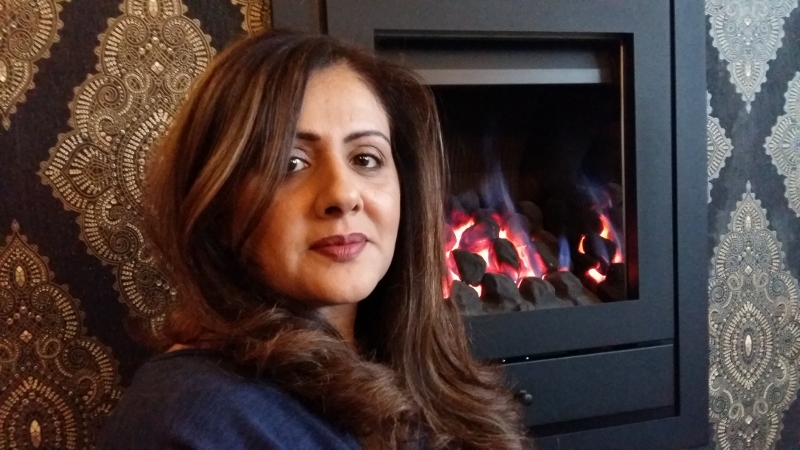
“Sometimes people will pigeonhole your artwork into a certain box, especially if you come from a certain background or culture,” says Haseebah Ali.
Founded by Jacqueline Harvey, the fair was created to challenge a system that too often rewards networks over ability.
In an industry shaped by connections, collector confidence and who gets introduced to whom, many women – especially those from diaspora backgrounds – can struggle to get through the door.
The fair provides a platform where that first barrier is removed. Artists are seen first for their work rather than their connections.
For younger artists especially, seeing people who share their background or experience exhibited publicly makes participation feel possible.
Inequality in art is rarely deliberate. It is often structural and reinforced over time. Curators select artists they know, collectors invest in familiar names and galleries manage financial risk. Without intervention, the cycle repeats.
The result is not a lack of talent. It is a lack of visibility.
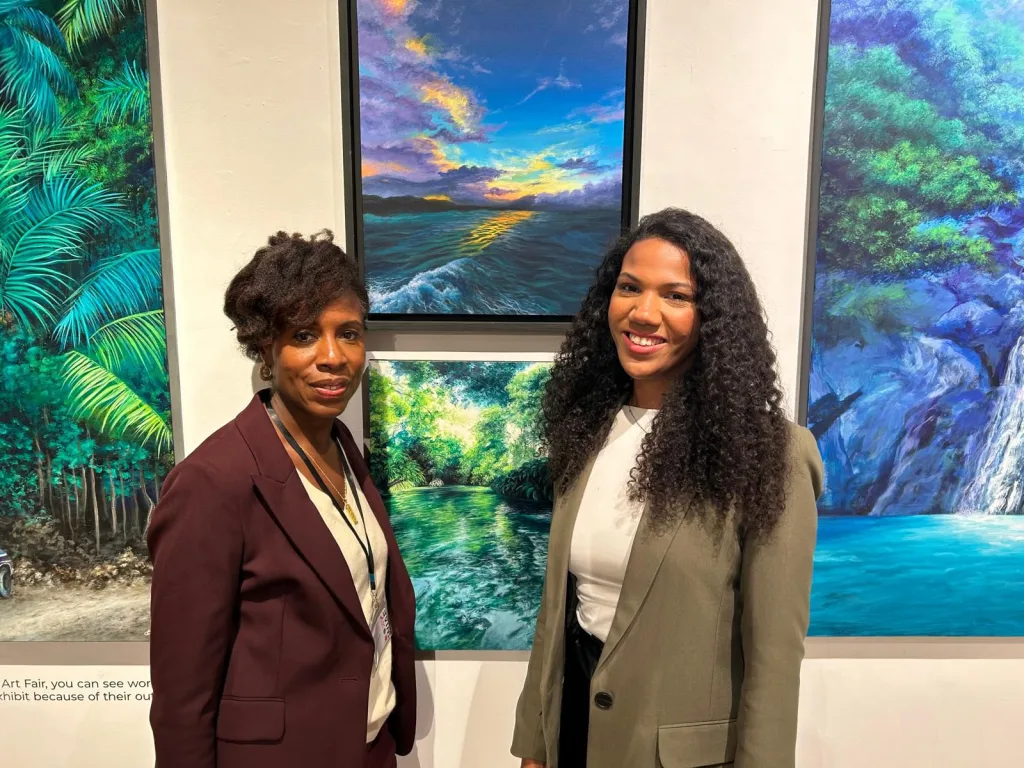
“We are not waiting for the art world to fix itself,” says Jacqueline Harvey.
“We are building the platform that should already exist.”
It is a powerful line – and an important one.
Because for many British Asian and Muslim women, the barriers are not just professional. They can be cultural, social and deeply personal too.
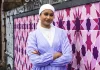
For Haseebah Ali, a British-Kashmiri artist based in the UK, that experience feels all too familiar. “The challenges I have faced as a Pakistani woman trying to exhibit in Britain have been quite a lot,” she says.
“A lot of creative events have alcohol and trying to navigate that as a Muslim woman can be extremely difficult.
“People assume you will give up on your career a few years in. And sometimes people will pigeonhole your artwork into a certain box. It can feel claustrophobic.”
For Haseebah, that is exactly why the fair matters.
“Women in Art Fair seems to be the kind of opportunity where these barriers are being pushed down. Starting out as an artist seven years ago, seeing that would have made me feel so included and less anxious about my creative path.”
This year’s fair includes a Creative Health and Wellbeing Day in partnership with Crystal Clear Health. The 2026 edition will also introduce new prizes, including the Christian Levett Prize and a collaboration with Hunger Magazine.
Women in Art Fair 2026 takes place in London on 9th and 10th May. Venue details are due to be confirmed by organisers. For updates, follow Women in Art Fair online: www.womeninartfair.com.