

For many of us, the kitchen has long been a place of obligation – another item on the to-do list, another task squeezed between work emails and the school run.
But as more people look for simple, grounding ways to support their mental health, cooking is quietly stepping into the spotlight. Not as a chore, but as a balm.
At its best, cooking functions as a kind of active meditation.
There’s something strangely soothing about chopping onions or stirring a simmering pot – a rhythm that hushes the noise in your mind. Focusing on one step at a time can nudge you into that elusive flow state, where racing thoughts finally begin to settle.
And then there’s the small but mighty lift that comes from making something – anything – from scratch. A meal finished, a dish plated, a flavour perfected: these are tangible acts of achievement in a world where so much feels abstract and out of our control. For many, that sense of “I did this” becomes a quiet boost of confidence and self-worth.
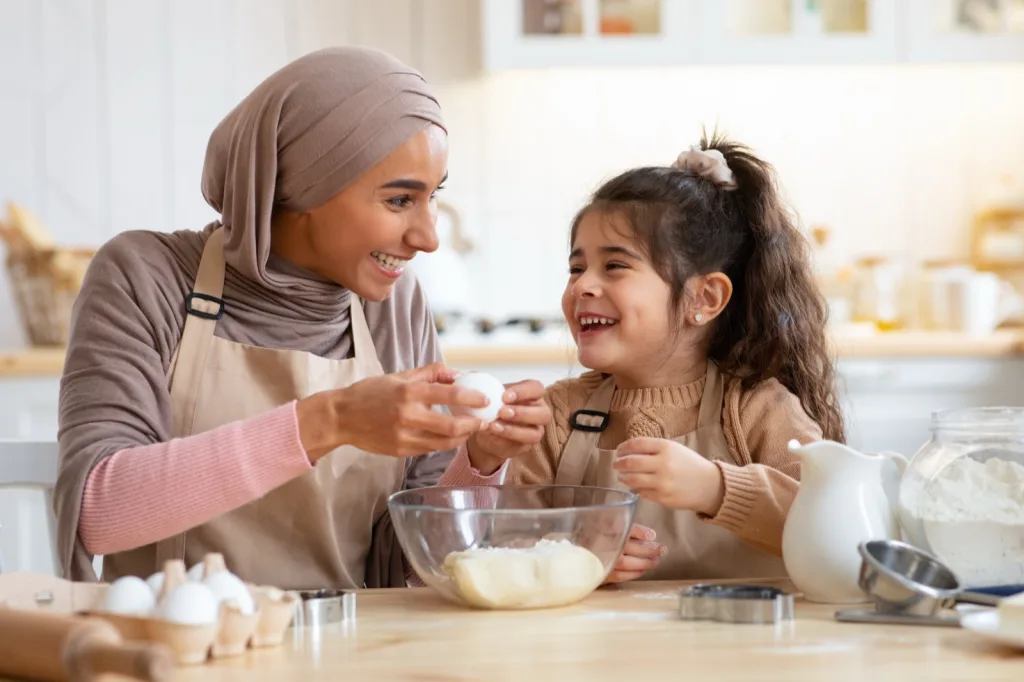
Cooking also invites creativity in a way we don’t always give ourselves permission for elsewhere. Trying a new spice, swapping ingredients on the fly, decorating a dish just because it makes you smile – it’s play, disguised as dinner. And play does wonders for mood, curiosity, and positivity.
But perhaps what’s most overlooked is how cooking anchors the day. Preparing and eating meals at regular times introduces structure, which can be a lifeline during periods when everything feels unmoored. Add to that the sensory comfort of scent, texture, heat, and colour, and suddenly the kitchen becomes one of the most grounding rooms in the house.
Of course, not everyone loves the actual process of cooking – and that’s fine. The mental health benefits don’t end at the stove. Eating meals at home, particularly shared ones, can be just as powerful. Eating together remains one of the most universal ways humans express care. Picture the laughter that rolls around a table, the stories swapped, the familiar clatter of cutlery, the silent reassurance of simply not eating alone.
These small rituals strengthen relationships and counter loneliness in ways that few other daily habits can.
Even the cognitive work of cooking – the planning, organising, problem-solving – nudges the brain to stay sharp, offering a gentle workout for your executive functions.
So whether you’re plating a masterpiece or reheating leftovers, the message is simple: the act of preparing and sharing food carries emotional weight. In a culture hooked on speed and convenience, it’s a reminder that slowing down, stirring a pot, setting a table, or passing a dish can be quietly transformative.
📅 Free Counselling Appointments – Every Wednesday 📞 Call 01274 307040 to book your session 📍 Prity Beauty & Aesthetic, 4 Central Place, Clayton, Bradford, BD14 6AZ