

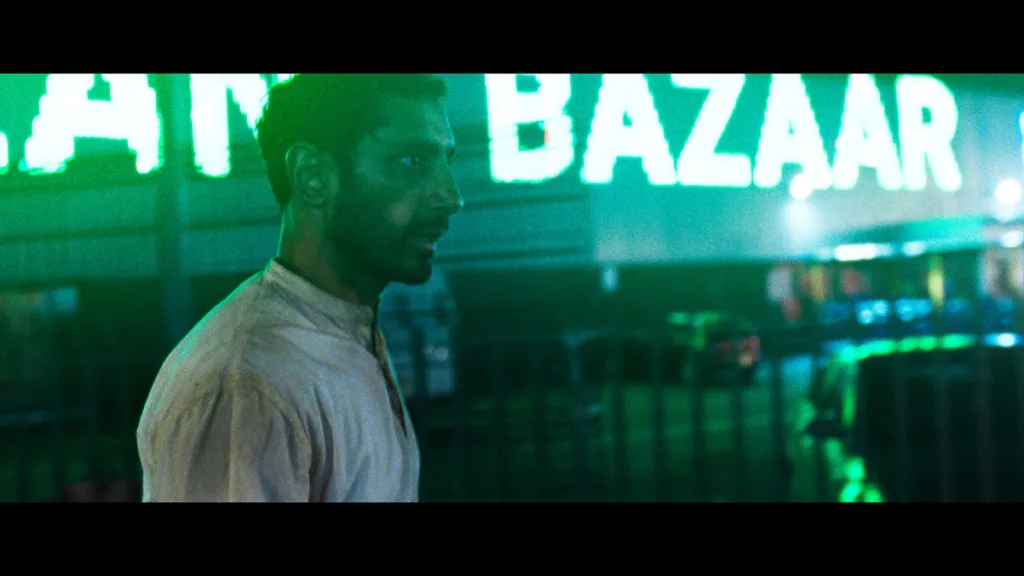
Riz Ahmed has finally taken on one of the most intimidating roles in theatre history – and he’s done it with a sharp modern edge.
In a bold new screen adaptation of Hamlet, the Oscar-winning actor plays the Prince of Denmark as a contemporary man unraveling inside the high-pressure world of elite London wealth, family loyalty, and buried betrayal.
Directed by Aneil Karia (The Long Goodbye), this is not a traditional period retelling. It’s a tense, modern psychological thriller – urgent, stripped back, and designed to feel immediate rather than reverential.
Ahmed has described the film as “visceral,” with the hope that it becomes the version shown to students today: less dusty classroom Shakespeare, more emotional gut-punch.
The story is transplanted into the world of a wealthy British South Asian family, where grief is handled behind closed doors and reputation carries as much weight as truth. Hamlet’s father is dead. His mother has remarried quickly. And his uncle Claudius – played by Art Malik – now sits at the head of the family.
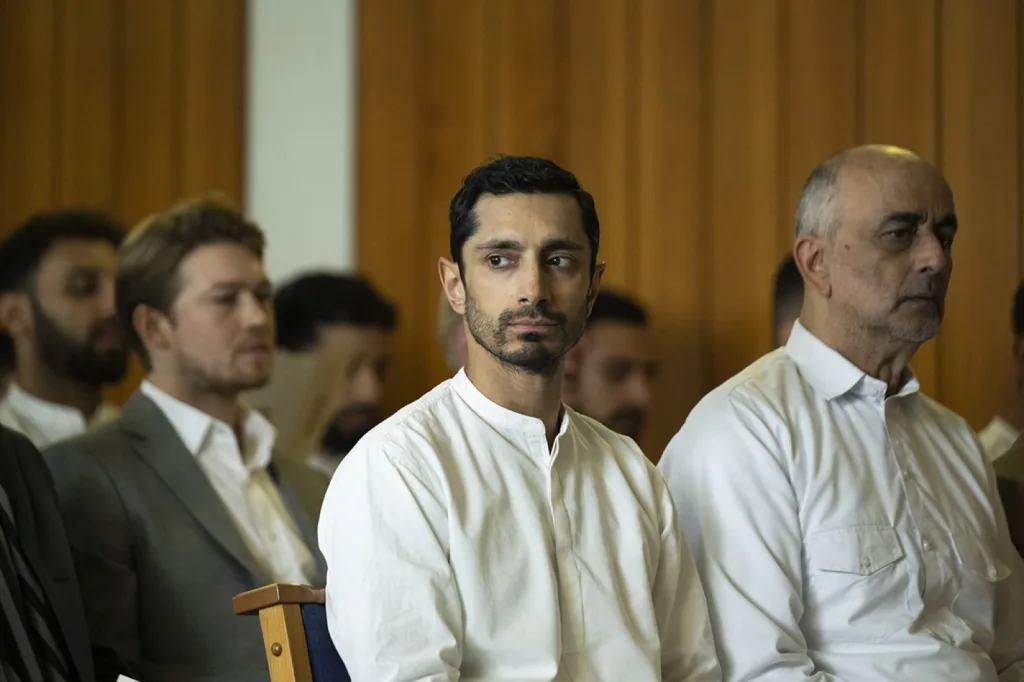
What follows is a slow collapse: suspicion, rage, mourning, and the unbearable feeling that everyone else has moved on too fast.
One of the film’s most talked-about moments is its reworking of “To be, or not to be.” Ahmed delivers the famous soliloquy not on a stage, but in motion – in a speeding car, as if Hamlet is trying to outrun his own thoughts.
It’s Shakespeare as modern anxiety: masculine restraint cracking into something dangerous.
The cast around him is pure prestige: Morfydd Clark as Ophelia, Timothy Spall as Polonius, Joe Alwyn as Laertes, and Sheeba Chaddha as Gertrude. The result feels less like a literary exercise and more like a family implosion filmed in real time.
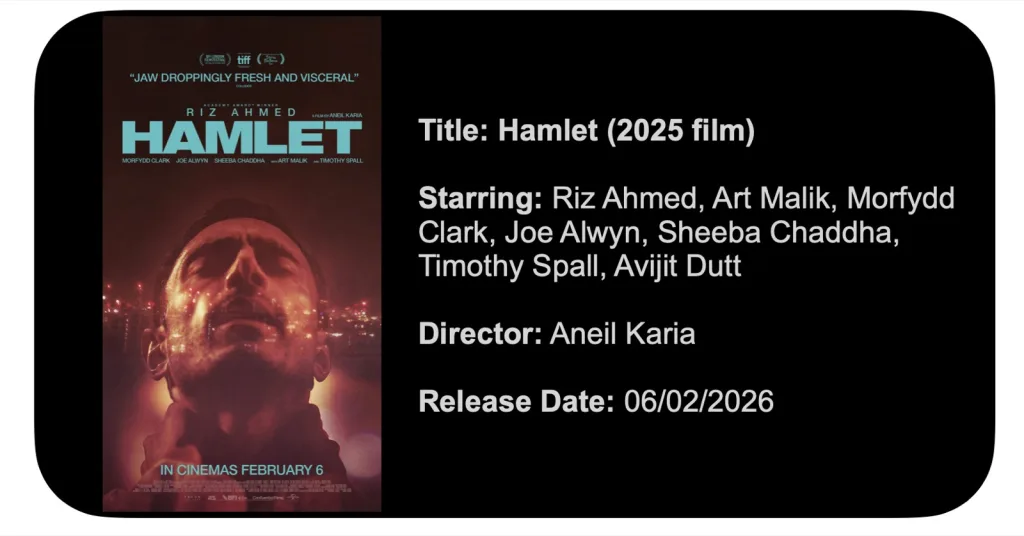
Ahmed has said it took more than a decade to bring this version of Hamlet to the screen – a 13-year journey through stalled development and shifting industry politics. That slow struggle mirrors the play itself: a story about waiting, doubt, and the paralysis of knowing too much.
In Ahmed’s hands, Hamlet feels less like a classic preserved for study and more like something urgent again – a story about grief, power and what happens when the truth won’t stay buried.