
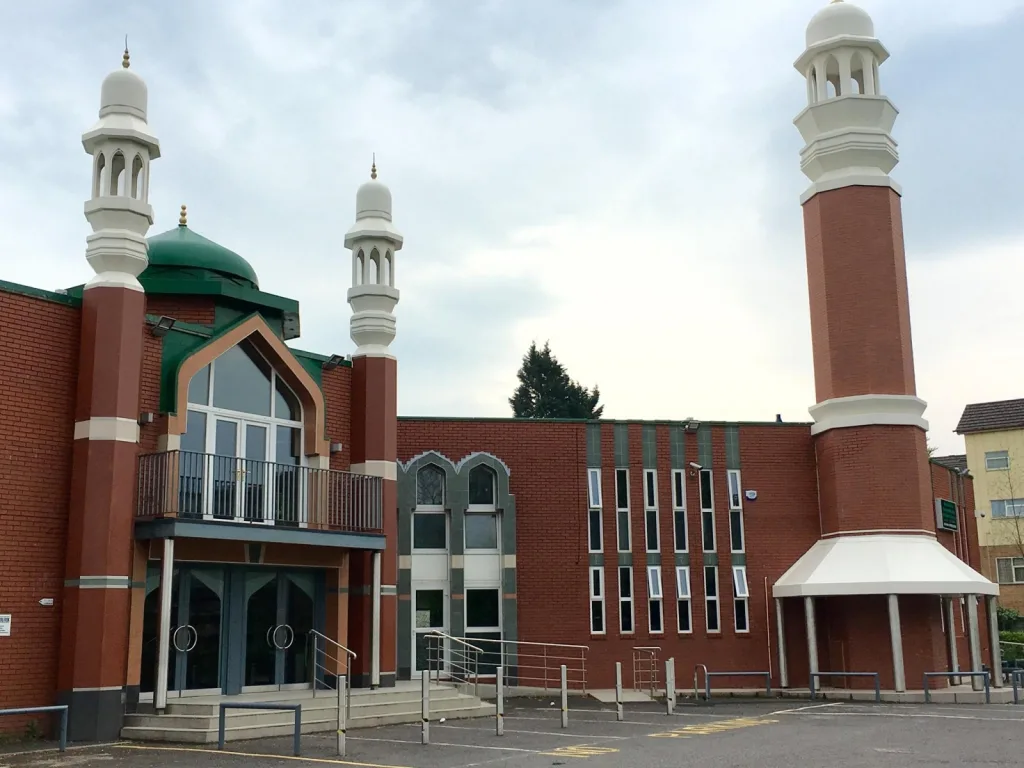
An incident at Manchester Central Mosque during Taraweeh prayers has intensified fears among British Muslims, with national faith leaders warning that anti-Muslim hostility in the UK is reaching deeply troubling levels.
Police were called to the mosque on Upper Park Road in Victoria Park, close to the Curry Mile, at around 8.40pm on Tuesday 24th February after two men entered the building during Ramadan prayers reportedly carrying weapons. Around 2,000 worshippers were inside.
Volunteers identified a suspicious bag placed in the main hall. According to mosque officials, it contained an axe, while other weapons – including a hammer and knife – were also discovered.
Greater Manchester Police (GMP) said today, a man in his 20s had been detained on suspicion of conspiracy to commit a section 18 assault.
The other suspect, a man in his 50s, was arrested on Tuesday 24th February at the scene on suspicion of carrying an offensive weapon and possession of Class B drugs. He remains in custody, police said.
No threats were made and no one was injured. But for many in the congregation, the fact that weapons were brought into a mosque during Ramadan – the holiest month in the Islamic calendar – has left deep unease.
In a statement, the mosque described the episode as a “serious security incident” and warned that the Muslim community in the UK has experienced a notable rise in threats and hostility in recent years. Congregants have now been advised to travel in groups where possible and not to leave children unattended.
The Mosques & Imams National Advisory Board (MINAB) said it was “profoundly alarmed” by what it described as a horrific incident during the blessed month of Ramadan.
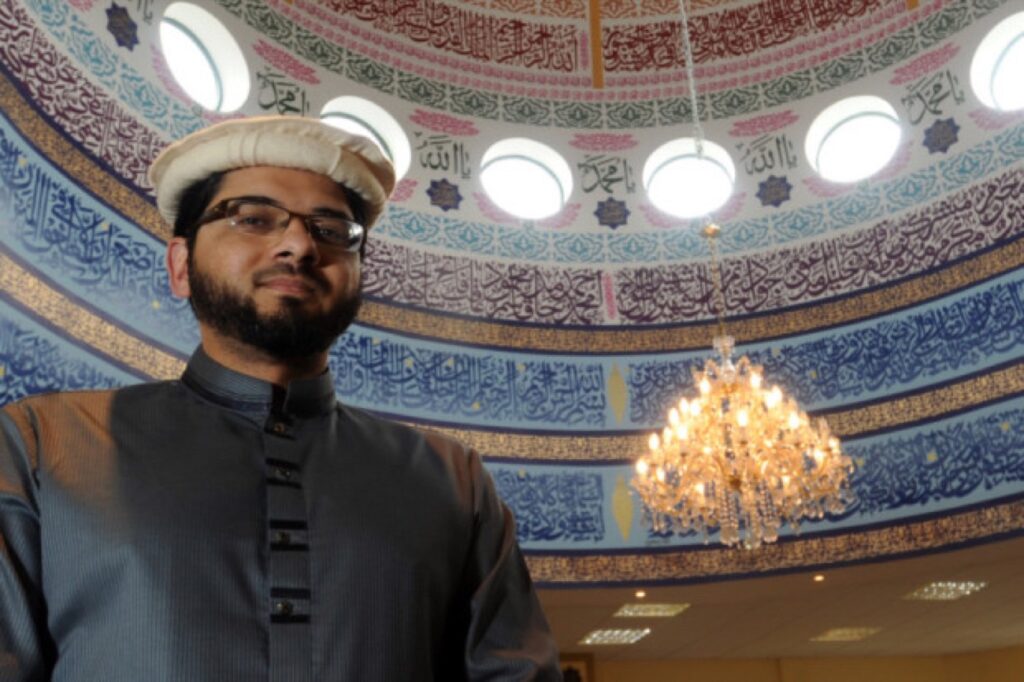
Imam Qari Asim, Chair of MINAB, paid tribute to the “courageous volunteers whose swift and decisive response prevented what could have been a callous attack”, adding that their vigilance “protected lives”.
He warned that in an already volatile climate, anti-Muslim hatred is being stoked by certain elements, fuelling fear and emboldening those who seek to intimidate Muslim communities.
“The Mosques & Imams National Advisory Board (MINAB), expresses profound alarm at the horrific incident at Manchester Central Mosque, on 24th February 2026 where two men entered during Taraweeh prayers armed with weapons, including an axe, knife and hammer. Given that this incident has taken place in Ramadan, has been devastating for Muslim communities.
“We are deeply concerned that, in an already volatile climate, certain elements continue to stoke anti-Muslim hatred, fuelling fear and emboldening those who seek to intimidate or attack our communities.
“As a result, many worshippers are frightened. Muslims, like people of all faiths, must be able to worship freely, openly, and without fear. Mosques should be safe havens, not targets.
“We also remain concerned about the withdrawal of dedicated mosque security under the Government’s Protective Security for Mosques Scheme. It cannot be the responsibility of volunteers to confront dangerous individuals.
“While we acknowledge the response of Greater Manchester Police, this incident reflects the wider and deeply troubling rise in Islamophobia and anti-Muslim hostility across the UK.
“We urge all worshippers, particularly during Ramadan, to remain vigilant and report any suspicious behaviour immediately to mosque volunteers, anti-Muslim monitoring organisation, British Muslim Trust and the police.”
Funding promises – but is it enough?
Local MP Afzal Khan said he was “deeply concerned” and had been in contact with police, as well as Greater Manchester Mayor Andy Burnham and Prime Minister Keir Starmer.
The Prime Minister acknowledged the distress such incidents cause, particularly during Ramadan, and referenced up to £40m in funding is available for mosques and Muslim schools through the ‘Protective Security for Mosques Scheme’.
Yet community leaders say headline funding figures do not reflect what many worshippers are experiencing on the ground – rising hate mail, online abuse and growing anxiety about attending late-night prayers.
For British South Asian Muslims, mosques are not simply places of worship. They are community anchors – spaces for youth programmes, charity collections, food distribution and interfaith engagement. When security fears enter those spaces, the impact ripples far beyond a single evening.
Superintendent Simon Nasim said there would be increased patrols while enquiries continue, adding that “there’s no place for weapons on our streets”.
But for many families observing Ramadan, reassurance now needs to be consistent and visible. Faith leaders say the deeper question remains whether the UK is doing enough to confront the steady normalisation of Islamophobia before fear becomes a permanent feature of Muslim life.